High Scardus Trail
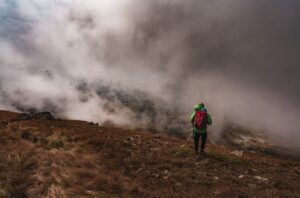 The High Scardus Trail (HST) is an international long-distance hiking trail connecting Albania, Kosovo, and North Macedonia, traversing some of the wildest and best-preserved landscapes of the Western Balkans. The trail crosses five major mountain ranges—Sharr, Korab, Deshat, Jabllanica, and Galičica—as well as six protected natural areas. It consists of 20 hiking stages and 2 transfer stages, covering a total distance of approximately 362–370 kilometers, starting in Staro Selo in North Macedonia and ending in Sveti Naum on the shores of Lake Ohrid.
Created to promote sustainable tourism and cross-border cooperation, the High Scardus Trail offers a unique combination of alpine landscapes, ancient forests, traditional mountain pastures, cultural heritage, and rich biodiversity. In 2022, it was recognized as one of the most successful tourism development projects in Europe.
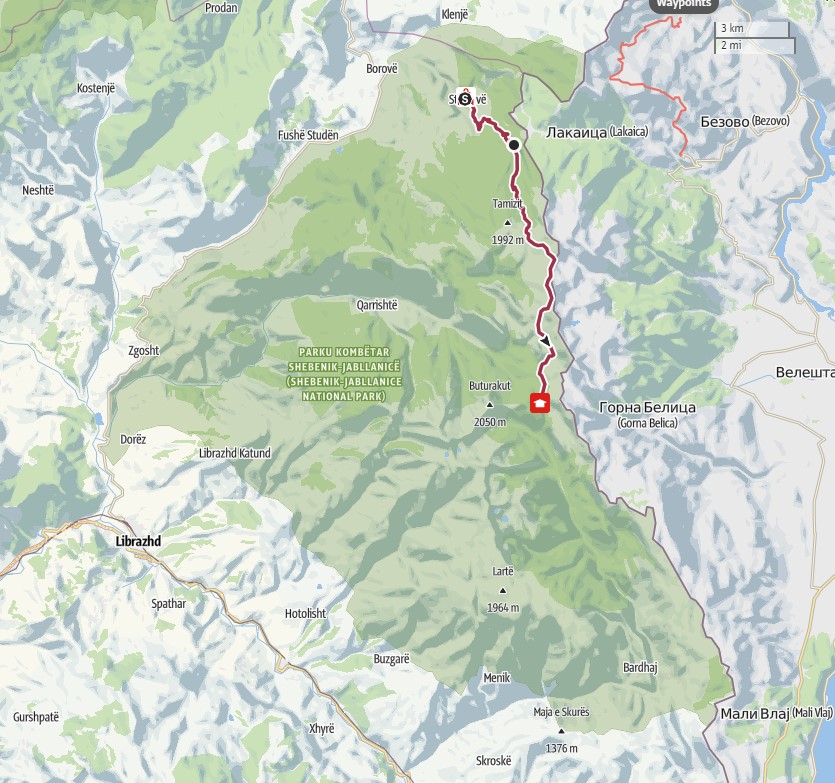
High Scardus Trail in Shebenik National Park
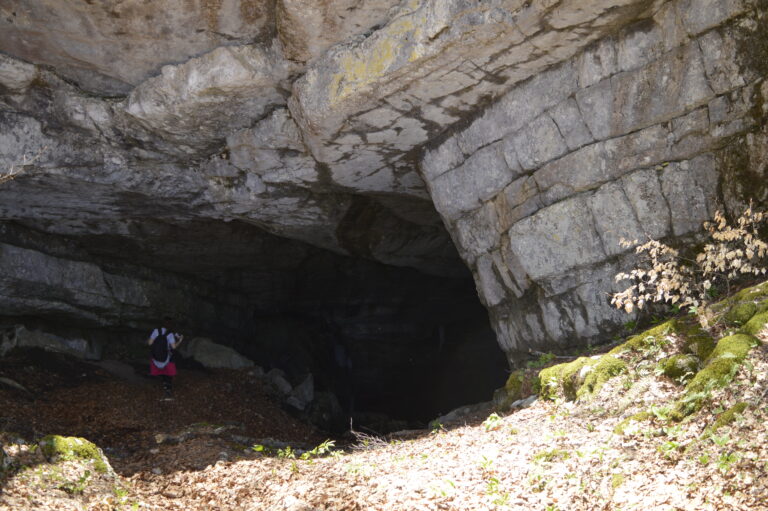
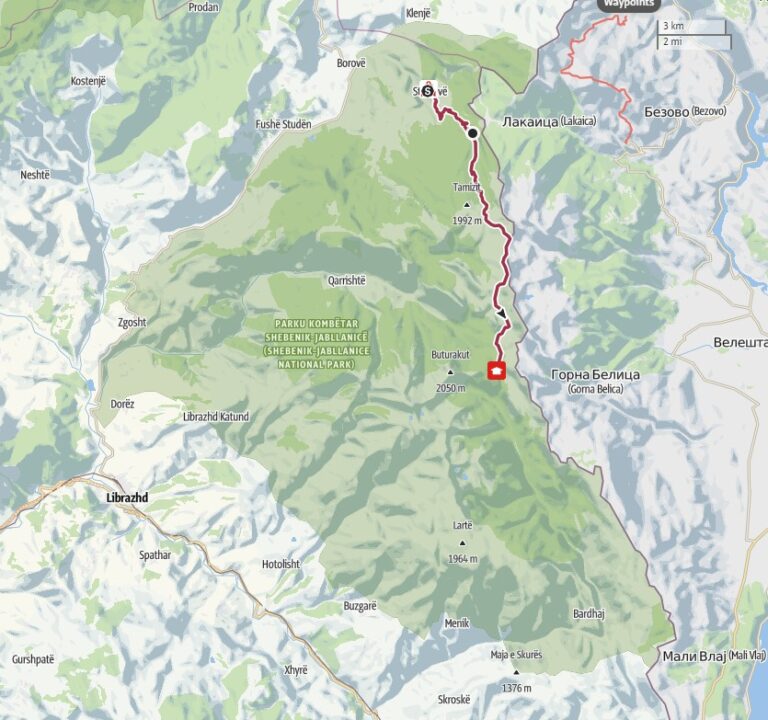
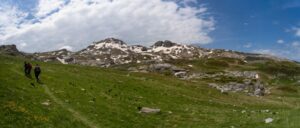 The section of the High Scardus Trail that passes through Shebenik National Park represents the southernmost part of the route within Albania and is considered one of the most pristine and least disturbed sections of the entire trail. This segment extends across the Jabllanica Mountain Range, a transboundary mountain massif shared between Albania and North Macedonia and forming part of the Shebenik National Park.
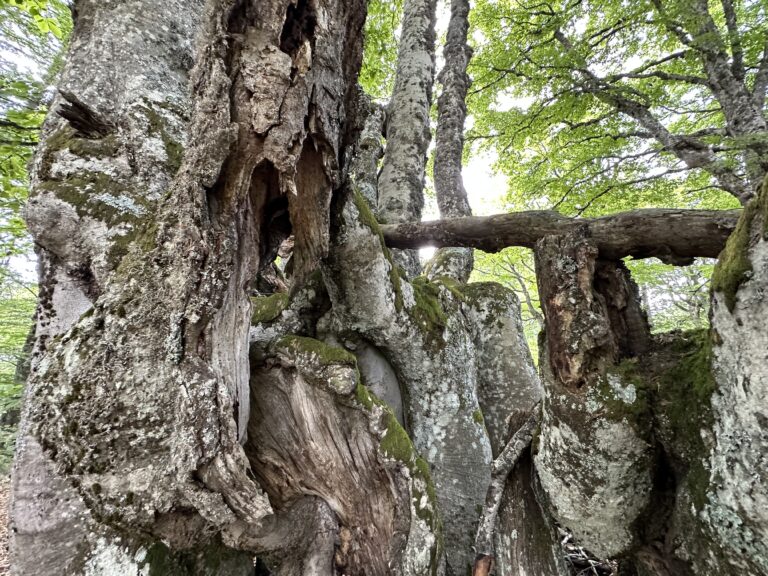
Within the park, the trail passes through dense beech forests, alpine meadows, mountain pastures, and landscapes of exceptional natural value. The area is known for hosting important wildlife species such as the brown bear, grey wolf, and the critically endangered Balkan lynx, as well as diverse forest and alpine habitats that constitute one of Albania’s most significant biodiversity hotspots.
Within Shebenik National Park, the High Scardus Trail primarily includes:
- Stage 17: Jabllanica – Steblevë (12.3 km, approximately 5 hours of hiking), passing through the dense forests of Jabllanica and the border crossing known as the “Green Pass.”
- Stage 18: Steblevë – Qafa e Kryqit, an alpine stage connecting the village of Steblevë with the high mountain pastures of the Jabllanica massif.
- Stage 19: Qafa e Kryqit – Vevçan, continuing along the border ridge of Jabllanica towards North Macedonia.
 This section of the High Scardus Trail plays an important role in the development of ecotourism within Shebenik National Park by promoting the area’s natural heritage, local culture, traditional hospitality, and the rural economy of communities such as Steblevë and Fushë Studën. Through this route, visitors have the opportunity to explore one of the most authentic mountain landscapes of eastern Albania while contributing to the sustainable development of local communities and raising awareness of the conservation values of the park.
Trail Maintenance and Visitor Infrastructure Improvements
As part of the implementation of the project “Strengthening Local Community Engagement in the Sustainable Management of Shebenik National Park”, supported by the Critical Ecosystem Partnership Fund (CEPF), AlbNatyra will undertake a series of interventions aimed at improving the safety, accessibility, and visitor experience along the section of the High Scardus Trail that passes through Shebenik National Park.
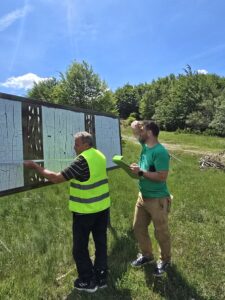
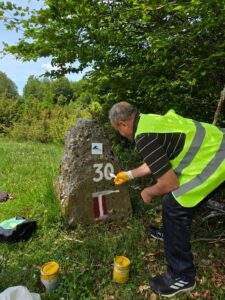
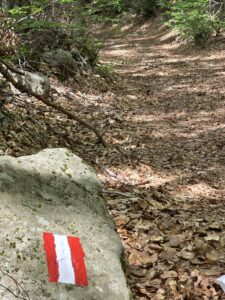
The planned activities include the clearing and maintenance of the trail corridor, including the removal of fallen branches, obstructive vegetation, and loose rocks that may hinder safe passage. In addition, AlbNatyra will install informational panels, directional and orientation signage, and standardized trail markings along key sections of the route within the park. These measures will facilitate navigation, enhance visitor safety, provide interpretation of the park’s natural and cultural values, and contribute to the long-term sustainable management of the trail.
Through these improvements, the project aims to strengthen the role of the High Scardus Trail as a flagship ecotourism route within Shebenik National Park, increasing its attractiveness for both domestic and international visitors while supporting local economic development and nature conservation objectives.